Man and Van in Hammersmith

Our man and van in Hammersmith is built for practical moving jobs that need a careful pair of hands, a suitable vehicle and a sensible plan. We help with local removals, furniture transport and mixed loads for homes and businesses, keeping the service focused on safe handling and straightforward coordination. If you need a reliable moving van service for a flat, office, storage run or single bulky item, the aim is to make the work orderly and efficient from the first enquiry to the final drop-off.
The service suits customers who want more than a courier but less than a full-scale removal crew. We can support short local moves, split collections, and awkward items that need protection in transit. For broader moving options, you can also review our removals page, which sets out the kind of work normally covered by a general moving team. The right choice often depends on access, volume, and whether the load includes furniture that must be dismantled or wrapped.
Rather than treating every job the same, we look at what needs moving, how it should be loaded, and what arrangement will reduce handling risks. That may mean careful stacking, separating fragile pieces, or planning a route that avoids unnecessary lifting. For customers comparing service levels, the detail on our man with van page is a useful starting point because it reflects the flexible, smaller-scale nature of this kind of transport.
Household moving support
House moves are often the core of a man and van service, especially where the property is compact, the distance is local, or the move needs to fit around work, school runs or building access. We handle household items with attention to order and condition, from boxes and small furnishings to larger pieces that need lifting techniques rather than brute force. The work is often most efficient when items are grouped by room and by fragility before loading begins.
Our home moves page covers the kind of residential work that sits at the centre of many enquiries. It is a useful fit when you are moving part of a home, not just a single item, and want the load organised so the vehicle space is used well. If you need a broader summary of household moving options, the house removals section explains how domestic transport can be arranged around different property sizes and contents.
Some customers are moving from upper floors, furnished rentals or properties with narrow access. In those cases, the most important decision is often how much can be carried safely in one trip and what should be protected separately. A man and van arrangement can also suit smaller household moves that still include items like beds, chairs, tables and appliances, provided the load is described clearly before collection.
Commercial and office moves
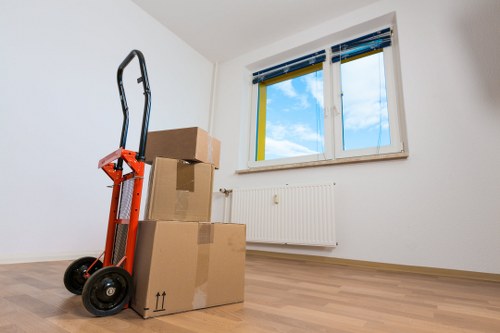
We also support commercial jobs where the task is to move furniture, equipment or archive material without creating unnecessary disruption. Small office relocations, showroom items and business deliveries can often be handled well by a van-based team, especially where access is tight or the move is split into stages. For a dedicated overview of workplace relocations, see our office relocation services page, which covers organised business moving work.
Office moves usually need more structure than ordinary transport because desks, chairs, files and electronics must arrive in a sensible order. A good plan separates reusable furniture from items that should be discarded or stored, and it also makes it easier to keep sensitive material under control. Our office removals page gives a fuller picture of commercial removals that are arranged around working premises and practical access.
For customers with mixed business loads, a man and van can be a measured alternative to a larger crew when the contents are not extensive. The service may suit a branch closure, a small studio move or a single day of stock transport. Where the job involves several rooms or repeated trips, it helps to decide in advance which items are essential, which are being archived and which are heading for disposal.
Furniture, bulky items and careful loading
Furniture is often the hardest part of a move because it combines size, weight and vulnerability. Tables, wardrobes, sofas and beds need to be moved in a way that protects edges, finishes and fixings, especially if stairs or tight corners are involved. A sensible service keeps the load stable in the vehicle and uses the available space well so that items do not rub against one another during transit. Furniture pick-up is particularly relevant when the job is a collection rather than a full move.
Some furniture can travel as it is, while other pieces are easier to handle once they have been partially dismantled. That distinction matters because it affects both time and loading order. We can move single items, room sets and larger household pieces, and the plan should reflect the item shape as well as the destination. If your main need is to shift a few bulky possessions rather than every possession in the property, a van-based approach is often the most practical one.
For customers comparing service pages, the moving van option is a useful fit when the load is about transport capacity, not a broad removals package. The important point is not simply that the vehicle is available, but that the items can be loaded in a way that suits their dimensions, fragility and destination. Good loading practice can make a significant difference to how smoothly the move goes.
Packing, protection and move preparation

Preparation is worth getting right because it reduces handling time and helps protect items while they are being moved. Where packing support is needed, our packing and unpacking services page explains the type of assistance that can help before and after transport. Packing is not only about boxes; it also involves making sure breakables, cables, fittings and loose parts are kept together and identified clearly.
In practical terms, the most helpful information is a short description of the load, the collection point and the destination. If there are stairs, narrow corridors, loading restrictions or items that need special care, those details shape the moving plan. For a quotation request, it is also useful to know whether the work is a single journey or part of a return or multi-stop route, because that affects how the vehicle and time are arranged.
Simple preparation pays off when you need a quick but orderly move: separate fragile items, remove contents from loose drawers where appropriate, and keep any small fixings with the relevant furniture. You do not need to overcomplicate the process, but a clear inventory helps. When the job is well described, it becomes easier to match the right transport and keep the move straightforward from start to finish.
Quotes, pricing factors and service choices
Pricing for man and van work is usually shaped by several practical factors rather than one fixed rule. Vehicle size, travel distance, waiting time, loading complexity, access conditions and the amount of help required all affect the final arrangement. That is why the most useful quotation is based on the actual job rather than a guess. If you are comparing moving options, our pricing and quotes page is the best place to start.
It is also helpful to think about the difference between a light collection, a partial household move and a more involved relocation. A smaller job may only need transport and loading support, while a fuller move may need more careful sequencing and extra protection for furniture. For businesses and households alike, the right option depends on how much needs to go, how it is packed, and whether the destination allows easy unloading.
When you request a quotation, keep the description factual and concise: what is being moved, from where, to where, and whether there are any access limits or fragile pieces. If you are unsure which page best matches your job, the broader removal services page gives a helpful overview of service types so you can choose a sensible starting point before sending details. A clear brief is the best way to get a quote that matches the work needed.
Collections, deliveries and repeat transport
Not every booking is a full move. Some customers simply need a furniture collection, an auction purchase delivered, or a few items transported between addresses. Those jobs still benefit from proper planning because the vehicle space, item shape and access points all matter. If your need is primarily about a one-off pickup, the man and van removals page can help frame that sort of flexible transport work.
Repeat transport is also common for people coordinating storage, house clearances or staged moves. In these cases, the main challenge is often consistency: items should be loaded and unloaded in an order that reflects what must be used first at the other end. A sensible route plan helps with that, especially when there are multiple stops or when the load contains a mix of boxes, furniture and loose household items.
Where customers need a more general moving overview, the moving truck page provides another route into the wider transport offer, while still keeping the focus on practical carrying capacity. That can be useful if you are unsure whether a van or a larger vehicle is the better fit. Choosing the right scale of service is often the simplest way to keep costs aligned with the job.
Safety, handling and sensible expectations

Good moving work depends on safe handling as much as it depends on vehicle space. Heavy or awkward items should be lifted and positioned so that the load remains balanced, the route stays clear and fragile surfaces are protected. If items need wrapping, disassembly or careful stacking, those requirements should be agreed before the move starts. Our insurance and safety page sets out the general approach to careful working practices and risk awareness.
It is wise to be realistic about what a man and van service is designed to do. It is flexible, but it is not a substitute for clear access, enough time and a sensible description of the load. A short flight of stairs, a tight doorway or a particularly heavy item may change how the job is handled. If the move also involves disposal, the recycling and sustainability page is useful background for understanding how unwanted items can be dealt with responsibly.
We aim to keep the process orderly by matching the vehicle and the moving plan to the task in hand. That means fewer surprises on the day and a better chance of making the journey in one well-managed run. Where a customer can explain the key details early, it becomes easier to decide whether extra protection, dismantling or an additional stop will be useful.
About Hammersmith
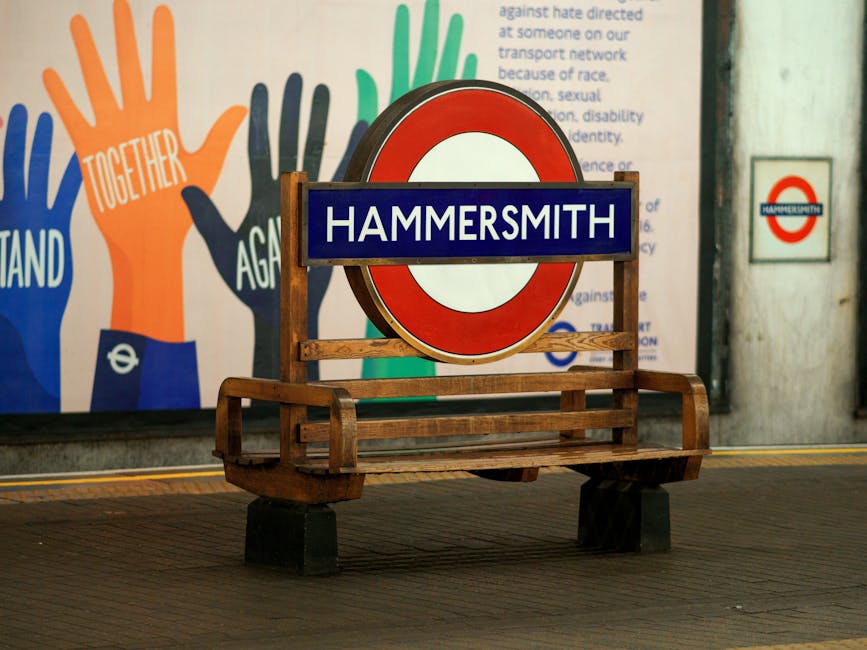
Hammersmith is a district in west London on the north bank of the River Thames, long associated with river crossings, transport links and a busy commercial centre. The area takes its name from an old riverside hamlet and grew significantly through the nineteenth century as the road and rail network developed. Today it forms part of the London Borough of Hammersmith and Fulham and remains strongly connected to the riverfront, with Hammersmith Bridge linking the area southwards across the Thames. The district’s position between central London and the western suburbs has helped shape a mixed landscape of busy streets, residential side roads and large public buildings. Hammersmith Broadway is one of its best-known focal points, bringing together bus routes, Underground services and shopping. The area also contains a number of recognisable cultural and architectural landmarks, including the Eventim Apollo, a major live performance venue, and the Broadway Shopping Centre. Along the river, Hammersmith Riverside and nearby stretches of the Thames Path offer open views of the water, while Furnivall Gardens provides a green space close to the embankment. The area’s streets include examples of Victorian and later urban development, with mansion blocks, terraces and commercial premises sitting alongside more modern additions. Hammersmith remains a lively and varied part of west London, shaped by movement, commerce and its enduring river setting.
Household and office access planning
Access is one of the most important parts of any move because it affects timing, loading order and how many hands are needed at each end. A flat with a lift, a basement storage room or a top-floor walk-up each creates a different moving pattern. For this reason, it is useful to note parking, stairs, lift size and any restrictions before the booking is confirmed. Where a move includes office furniture, our commercial moves page provides a broader view of business relocation work.
Households often need help with more than furniture alone. Boxes, soft furnishings, mirrors, lamps and appliances all need to be positioned so they travel safely and come off the vehicle in a workable order. That is especially important when the destination is occupied and the aim is to get key items into the correct rooms first. If you need a house-focused option with a slightly different emphasis, the house movers page is another relevant destination.
Where timing matters, it helps to separate essential items from everything else. Keep the things you need quickly available apart from what can be moved later or placed into storage. That simple discipline can make the handover feel more controlled and helps the transport plan stay clear. For customers who are comparing a general removals route with a smaller vehicle-based arrangement, that decision often comes down to how much time and handling the load is likely to take.
What to send when asking for a quotation

A good quotation request does not need to be long, but it should be specific. Include the collection and delivery postcodes if you have them, a summary of the items, any stairs or parking issues, and whether the job needs dismantling or wrapping. If the move is shared between different addresses or storage, say so plainly. You can then use the contact us page to send the details and ask for a quote based on the actual work involved.
If you are comparing routes, it may help to look once more at the removals near me page, which gives a simple entry point for customers seeking local moving help. That can be useful when you know the job is nearby but still want to match the service to the scale of the move. Keep the request practical: what needs moving, how far, and whether there are items that require special handling.
For a straightforward enquiry, just state the type of move, the access conditions and the preferred date or time window. Clear information makes it easier to shape the work properly and prepare a sensible quotation. If you are ready to proceed, send the details now and ask us to quote for your man and van move in Hammersmith.